Blackletter: A Classic Display Font for Timeless Branding
I was staring at a blank brand board one afternoon, sipping on my third cup of coffee, when I stumbled across Blackletter. It wasn’t the first font I’d tested that day, but something about its sharp edges and uniform stroke caught my eye. As a designer working on a branding project for a small café, I needed a typeface that felt both classic and modern—a challenge that Blackletter seemed to tackle effortlessly.
Blackletter for Café Logos and Heritage-Inspired Branding
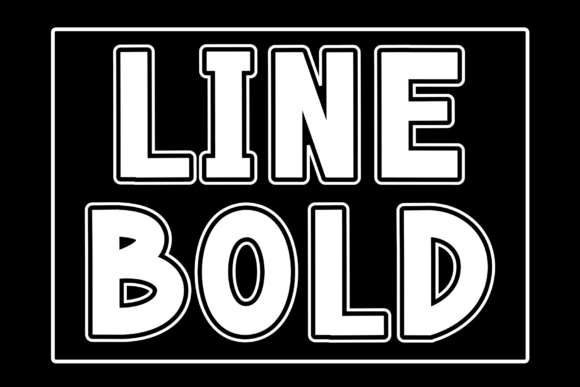
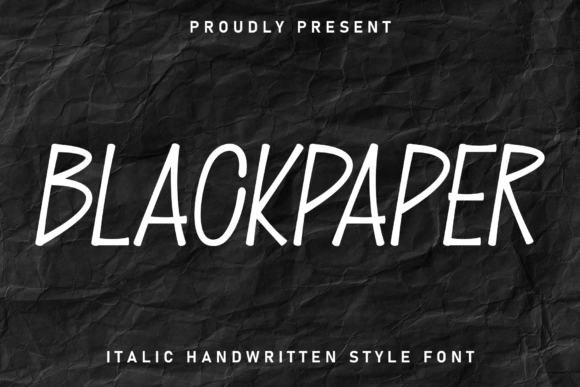
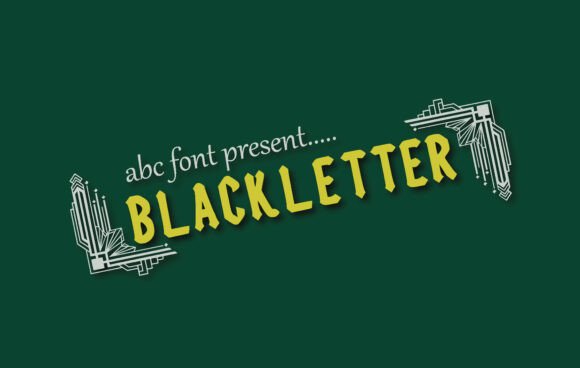
Blackletter, with its geometric display style and stylized uppercase letters, brought a sense of heritage to the table. The café I was designing for wanted to evoke the charm of old-world craftsmanship without feeling outdated. When I placed Blackletter on a logo draft, it immediately gave the design a strong visual anchor. The uniform stroke width and sharp angles added a level of precision that balanced the warmth of the café’s concept.
I tested it in various weights and sizes, from the main logo to secondary text elements like menu headers. It worked especially well as a headline font, where its bold presence commanded attention without overwhelming the overall design.
Blackletter in Packaging Design and Product Labels
The next step was applying Blackletter to the café’s packaging. I created mockups of takeaway cups, coasters, and even matchbox-style labels. The font’s clean lines translated beautifully onto these surfaces. It didn’t feel too ornate or busy, which was crucial for readability on smaller formats like stickers and tags.
One thing I noticed early on was how well Blackletter paired with a simple sans-serif font for body text. This contrast helped establish a clear visual hierarchy, making sure the message stayed clear and professional.
Blackletter for Social Media Graphics and Digital Branding
When moving into digital assets, I used Blackletter for social media posts, particularly Instagram stories and promotional graphics. Its geometric nature made it stand out against soft backgrounds and photos, which is exactly what you want for a branded post. The font’s character had a subtle elegance that matched the café’s aesthetic perfectly.
I also experimented with using Blackletter in hero sections of a website mockup. The font’s strong presence helped create a focal point, drawing the viewer’s eye directly to key messaging. It wasn’t just about looking good—it was about making an impression quickly in a world of endless scrolling.
Blackletter in Print Materials and Marketing Collateral
Print materials were another area where Blackletter shined. From business cards to flyers, the font maintained its clarity and impact. I found that its uniform stroke width helped keep everything visually consistent, which is essential for a cohesive brand identity.
One thing I always check when testing a font for client work is how it scales. I printed out mockups at different sizes and found that Blackletter held up well—no distortion or loss of detail. That kind of reliability is rare, especially with display fonts.
Blackletter for Editorial Design and Website Headers
As I expanded the branding to include editorial design, like a blog or newsletter, I realized Blackletter could be more than just a logo or headline font. It had enough personality to work as a feature title in articles or product descriptions. Pairing it with a serif font for body copy created a nice balance between modern and traditional, something that appealed to the café’s target audience.
On the web, I used Blackletter for header sections and call-to-action buttons. It added a touch of sophistication without being over the top. The font’s sharp edges gave the design a clean, almost architectural feel that complemented the café’s minimalist interior design concept.
Testing Blackletter Before Full Brand Integration
Before committing to Blackletter for the full brand system, I ran through a few practical tests. I checked how it looked on different substrates, from glossy packaging to matte business cards. I also evaluated its performance in low-light environments, like shop signs and outdoor banners. In every case, Blackletter delivered the same sharp, clear look that made it so appealing in the first place.
I also considered licensing and file formats. Since the café would need this font across multiple platforms—from print to digital—I made sure it came with commercial use rights and supported all necessary file types. This ensured there were no surprises later down the line.
Blackletter for Merchandise and Brand-Driven Assets
Finally, I applied Blackletter to merchandise like mugs, aprons, and tote bags. The font’s boldness translated well to fabric and ceramics, adding a unique touch to each item. It became a unifying element across all brand assets, reinforcing recognition and consistency.
What stood out most was how versatile Blackletter was. Whether it was on a logo, a label, or a t-shirt, it never felt forced. It always fit naturally into the context, enhancing rather than overpowering the design.
As I wrapped up the project, I knew I had found a font that truly captured the essence of the café’s vision. Blackletter wasn’t just a display font—it was a statement, a tool, and a piece of the brand’s identity that would resonate with customers long after they left the café.