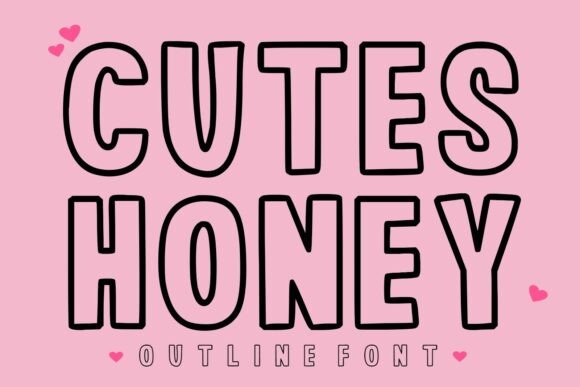
Cutes Honey: A Playful Display Font for Modern Editorial Design
Cutes Honey for Lifestyle Blog Headers and Digital Magazines
Cutes Honey is a sweet and playful outline display font featuring soft, rounded bubble shapes with a charming and kawaii style. Its clean outline design gives it a light and friendly look, making it an ideal choice for lifestyle blog headers and digital magazines that aim to evoke warmth and approachability. When I redesigned the header for a wellness-focused blog, Cutes Honey immediately brought a sense of calm and visual interest to the layout. The font's gentle curves and open forms allowed for easy readability even at smaller sizes, which was crucial for mobile responsiveness.
The use of Cutes Honey in this context helped establish a consistent editorial mood throughout the site. It paired beautifully with a minimalist sans serif font for body copy, creating a balanced visual hierarchy. This combination ensured that the playful nature of the header didn’t overshadow the clarity of the content below.
Cutes Honey in Recipe Ebooks and Printable Planners
For a recent project involving a recipe ebook, I found Cutes Honey to be a perfect fit for chapter titles and section headings. The font’s kawaii aesthetic aligned well with the overall theme of the book, which focused on comfort food and home cooking. Each title felt inviting and whimsical, encouraging readers to explore the recipes with excitement.
When designing printable planners, I used Cutes Honey for monthly headers and event reminders. The soft, rounded characters added a touch of personality without overwhelming the layout. It worked especially well when paired with a structured sans serif font for task lists and calendars, maintaining a clear distinction between decorative elements and functional text.
One thing to consider when using Cutes Honey for longer reading formats like ebooks or printables is its suitability for extended passages. While it excels in headlines and pull quotes, it may not be the best choice for dense paragraphs due to its expressive character shapes. Keeping it reserved for decorative accents and titles ensures it enhances rather than hinders readability.
Cutes Honey for Wedding Guides and Branding Elements
In a wedding guide publication, I experimented with Cutes Honey as a primary font for invitations and feature sections. The font’s light and friendly look complemented the romantic and celebratory tone of the content. It felt natural to use it for event names, venue highlights, and guest messages, adding a personal and curated feel to the design.
Its outline design also made it stand out against background textures and photographs, which was particularly effective in photo-heavy layouts. For branding elements such as logos and social media graphics, Cutes Honey provided a unique yet professional touch that differentiated the publication from more traditional typography choices.
When integrating Cutes Honey into branding, it’s important to ensure consistency across all materials. Using it alongside complementary fonts for body text and captions helps maintain a cohesive identity while allowing the display font to shine in key visual moments.
Cutes Honey in Newsletter Graphics and Course PDFs
A recent newsletter redesign benefited greatly from incorporating Cutes Honey into callout boxes and featured headlines. The font’s charm and clarity made it ideal for drawing attention to special offers, upcoming events, and reader testimonials. It added a layer of personality that resonated well with the brand’s target audience—creative professionals and aspiring entrepreneurs.
For course PDFs, I used Cutes Honey sparingly but effectively. It worked well for chapter titles and module introductions, helping to break up long blocks of text and keep the reader engaged. As always, I paired it with a legible serif font for the main content, ensuring that the playful tone of the display font didn’t interfere with the learning experience.
Before finalizing any project that uses Cutes Honey, it’s essential to review the font’s included styles, alternates, and licensing options. Ensuring that it meets commercial use requirements is critical, especially for publications intended for sale or distribution.