Arabian Night: The Enchanting Display Font for Editorial Design
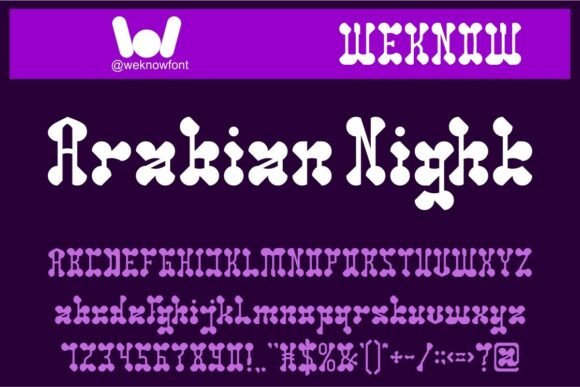
I remember the exact moment I needed a new font for my latest project: redesigning the header and cover pages for a digital lifestyle magazine. The content was rich with travel stories and cultural features, but the typography felt flat and generic. I needed something that could command attention immediately while maintaining an air of sophistication. That is when I discovered Arabian Night, a typeface that transforms standard headlines into visual storytelling. Embark on a visual journey with Arabian Night, an enchanting display font that blends traditional architectural inspiration with a bold, psychedelic twist. This typeface features bulbous, fluid letterforms that create a rhythm unlike any other in the modern design landscape.
Arabian Night for Magazine Covers and Digital Headers
When you are designing a magazine cover or a high-impact blog header, Arabian Night serves as the perfect anchor for your publication identity. Unlike standard serif fonts that often blend into the background, this display typeface demands to be seen. Its bulbous curves and fluid structure evoke a sense of movement, making it ideal for titles that need to feel alive and dynamic. I tested this font on a feature page about exotic destinations, and the psychological impact was immediate; the text didn't just sit on the page, it invited the reader in. For editorial designers looking to break away from rigid grids, the unique character of these fonts allows for creative layouts where the title itself becomes a graphic element. The font's ability to balance architectural precision with a psychedelic flair makes it a standout choice for premium publications that want to signal quality and uniqueness.
Enhancing Visual Hierarchy in Blog Posts
In long-form content, establishing a clear visual hierarchy is crucial for keeping readers engaged, and Arabian Night excels at guiding the eye through complex articles. I used this font specifically for pull quotes and section headers in a recent newsletter layout. The result was a dramatic shift in readability; the fluidity of the letters created natural pauses that made the content feel less dense and more inviting. While body copy requires neutral, highly legible typefaces, using a distinctive display font like Arabian Night for subheadings creates a strong contrast that breaks up walls of text. It adds a layer of personality without sacrificing the structural integrity of the page. When paired correctly, the font acts as a signpost, telling the reader exactly where a new idea begins and ensuring they don't miss key insights buried within the narrative.
Arabian Night for Wedding Guides and Elegant Branding
The versatility of Arabian Night extends beautifully into niche markets like wedding planning and luxury branding, where mood is everything. The "bulbous" nature of the letterforms gives it a softness that feels organic rather than industrial, which is why I found it so effective for creating printable planners and wedding guides. In a real-world scenario, I applied this font to the cover of a digital workbook designed for event coordinators. The font's traditional architectural roots provided a sense of stability and timelessness, while the psychedelic twist added a modern, artistic edge that appealed to contemporary couples. This duality is rare in the world of fonts; most either feel too classic or too trendy. Arabian Night bridges that gap, making it a powerful tool for creators who need their design assets to feel both established and fresh.
Creating Immersive Ebook Titles and Chapter Openers
For authors and course creators, the first impression of an ebook is often determined by its title page, and Arabian Night offers a way to elevate that experience instantly. I recently experimented with using this typeface for chapter openers in a creative writing guide, and the atmosphere it set was undeniable. The fluid letterforms mimic the flow of a story, drawing the reader deeper into the narrative before they even read the first sentence. When exporting PDFs or designing interactive covers, the weight and shape of the letters hold up well against high-resolution screens. However, it is important to remember that this is a display font, meaning it shines brightest when used in larger sizes. Using it for short phrases, chapter titles, or decorative accents ensures that the texture of the font is appreciated without overwhelming the user interface.
Arabian Night Pairing Strategies for Readable Layouts
To get the most out of Arabian Night, one must consider how it interacts with supporting typography. A common mistake designers make is trying to use a single font for every element, but true editorial excellence comes from thoughtful pairing. Because Arabian Night is so expressive, it pairs exceptionally well with clean, understated sans serif fonts for captions, navigation, and UI elements. The contrast between the ornate, fluid display font and a geometric sans serif creates a balanced composition that feels modern and professional. For body text in ebooks or printed materials, a classic serif font can complement the architectural inspiration of Arabian Night, creating a cohesive theme that feels rooted in tradition yet vibrant. This combination ensures that while the headlines grab attention, the actual reading experience remains comfortable and distraction-free.
Technical Considerations for Commercial Use
Before integrating Arabian Night into client projects or commercial products, it is essential to review the specific file formats and licensing terms included with the download. Most high-quality fonts come with a range of weights, alternates, and ligatures that allow for further customization, and checking for multilingual support is vital if your audience is global. The fluid nature of the letterforms means that kerning and spacing may require manual adjustment in certain contexts, particularly when dealing with tight layouts or small mobile screens. For web design, ensure that the font files are optimized for fast loading times to maintain site performance. By understanding the technical nuances of this typeface, designers can avoid common pitfalls and fully leverage its potential to create stunning, high-converting design assets.