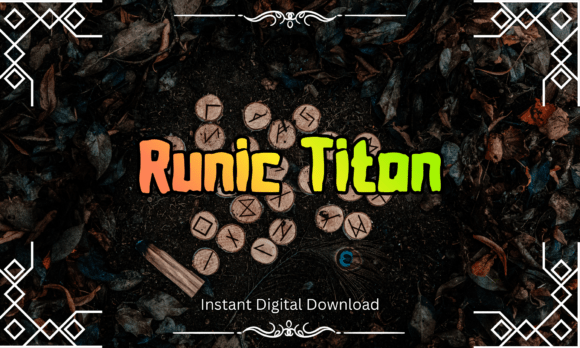
Runic Titan Font for Mythic Branding and Editorial Design
Choosing the right font for a blog header can feel like selecting the perfect ingredient for a recipe — it needs to elevate the whole dish without overpowering it. Recently, I found myself redesigning the header for a lifestyle blog centered around ancient traditions and modern living, and Runic Titan Font became the centerpiece of that transformation. Inspired by Norse mythology, Viking runes, fantasy adventures, and ancient magical symbols, this bold decorative font brought a sense of mystique and strength to the layout.
Runic Titan for Lifestyle Blog Headers and Editorial Covers
As I worked on the new blog header, Runic Titan stood out for its ability to convey both power and elegance. The thick, angular strokes of the letters echoed the imagery of ancient stone carvings, while the subtle flourishes gave it a touch of fantasy. It felt like the perfect match for a blog that blends myth with contemporary storytelling. Using Runic Titan as the main title font immediately set the tone for the entire site, creating a visual hierarchy that drew readers in and kept them engaged.
The font’s display quality made it ideal for large headlines and feature titles. When paired with a clean sans serif font for body text, it created a striking contrast that improved readability without sacrificing style. This combination is especially useful for editorial design projects where visual balance is key.
Runic Titan in Recipe Ebooks and Fantasy-Themed Guides
I also experimented with Runic Titan in a digital cookbook focused on Nordic-inspired recipes. Here, the font added a unique flair that complemented the theme perfectly. Used sparingly for chapter titles and section headers, it provided a decorative accent that didn’t interfere with the readability of the content. Its bold character helped emphasize important elements like ingredient lists and cooking instructions, making the guide more engaging for readers.
In fantasy-themed guides or travel books, Runic Titan could serve as a decorative element for pull quotes, chapter openers, or even as a background texture in creative layouts. Its mythical aura adds depth and intrigue, inviting readers to explore the content with curiosity and wonder.
Runic Titan for Wedding Invitations and Elegant Branding
When designing a wedding invitation for a client who wanted to incorporate Viking-inspired themes into their ceremony, Runic Titan was an obvious choice. The font’s strong, symbolic character fit seamlessly into the design, adding a touch of grandeur and tradition. Used as the primary text for names and event details, it created a sense of occasion that resonated with the couple’s vision.
This same approach can be applied to branding materials, logos, and promotional graphics. Whether it's a logo for a fantasy-themed business or a packaging design for a product line inspired by ancient legends, Runic Titan brings a unique identity that stands out in a crowded market.
Runic Titan in Coaching Workbooks and Digital Magazines
In a recent project, I used Runic Titan for a coaching workbook focused on personal growth through ancient wisdom. The font was reserved for chapter headings and motivational pull quotes, which helped reinforce the theme of transformation and empowerment. Its presence in these key areas added weight and meaning to the content, making it more memorable for readers.
For digital magazines or online publications, Runic Titan can be used effectively in feature articles or editorial spreads. As a display font, it works best for short bursts of text — such as article titles, subheadings, and captions — where visual impact matters most. For longer reading, it’s better to use a complementary serif or sans serif font for body copy, ensuring the reader experience remains smooth and uninterrupted.
Runic Titan for Newsletter Graphics and Social Media Content
When designing a newsletter header for a fantasy fiction author, I chose Runic Titan to create a dramatic effect that matched the tone of the content. The font’s mystical energy aligned well with the author’s brand, helping to build a cohesive visual identity across all platforms. It also looked great in social media graphics, where its bold style captured attention instantly.
Using Runic Titan in newsletter graphics or social media posts requires careful consideration of scale and spacing. Because it’s a display font, it should be used for emphasis rather than for long paragraphs of text. When combined with a readable base font, it creates a dynamic and professional look that appeals to a wide audience.
Runic Titan and Readability Across Platforms
One of the most important factors when choosing a font is how it performs across different platforms and devices. Runic Titan is designed with screen readability in mind, making it suitable for web-based content, mobile layouts, and PDF exports. While it may not be ideal for long-form reading, its decorative nature makes it perfect for short, impactful statements that need to stand out.
When using Runic Titan in print materials, it’s essential to ensure that the font size and line spacing are appropriate for the medium. Testing the font in various formats — from digital magazines to printable planners — helps determine the best way to integrate it into a publication without compromising legibility.
Runic Titan and Commercial Font Licensing
Before incorporating Runic Titan into any commercial project, it’s crucial to review the licensing terms. As a display font, it’s often available under commercial licenses that allow use in ebooks, templates, printables, paid newsletters, and client publications. Checking for included styles, alternates, ligatures, weights, multilingual support, and file formats ensures that the font meets the specific needs of the project.
For editorial designers and content creators, having access to a variety of font weights and styles can make a significant difference in the final outcome. Pairing Runic Titan with other fonts for body text or accents allows for greater flexibility in design and enhances the overall visual appeal of the content.